Heat Pumps in Cambridge and South Cambridgeshire
Clear guidance on air source heat pumps for Cambridge homes, from Romsey terraces and De Freville villas to oil-heated village bungalows, plus an easy way to request a quote with the £7,500 grant deducted.
Last reviewed: 2 October 2026
What makes Cambridge different
-
Around 52 frost days a year
at the NIAB weather station. Cambridge is one of England's frostier cities, which is why accurate heat pump sizing matters here.
Source: Met Office 1991–2020 averages
-
£7,500 grant, £9,000 for oil and LPG
from the Boiler Upgrade Scheme, with no income test. The higher rate helps village homes off the gas grid until March 2027.
Source: gov.uk Boiler Upgrade Scheme
-
Hard to very hard water
from the chalk aquifer, at around 286–295 mg/l across the city — worth planning for in the hot water cylinder.
Source: Cambridge Water
-
23 Cambridge guides
on prices, grants, planning, Victorian terraces, landlords and winter running costs.
Source: See the guides →
A heat pump in a frosty, historic city
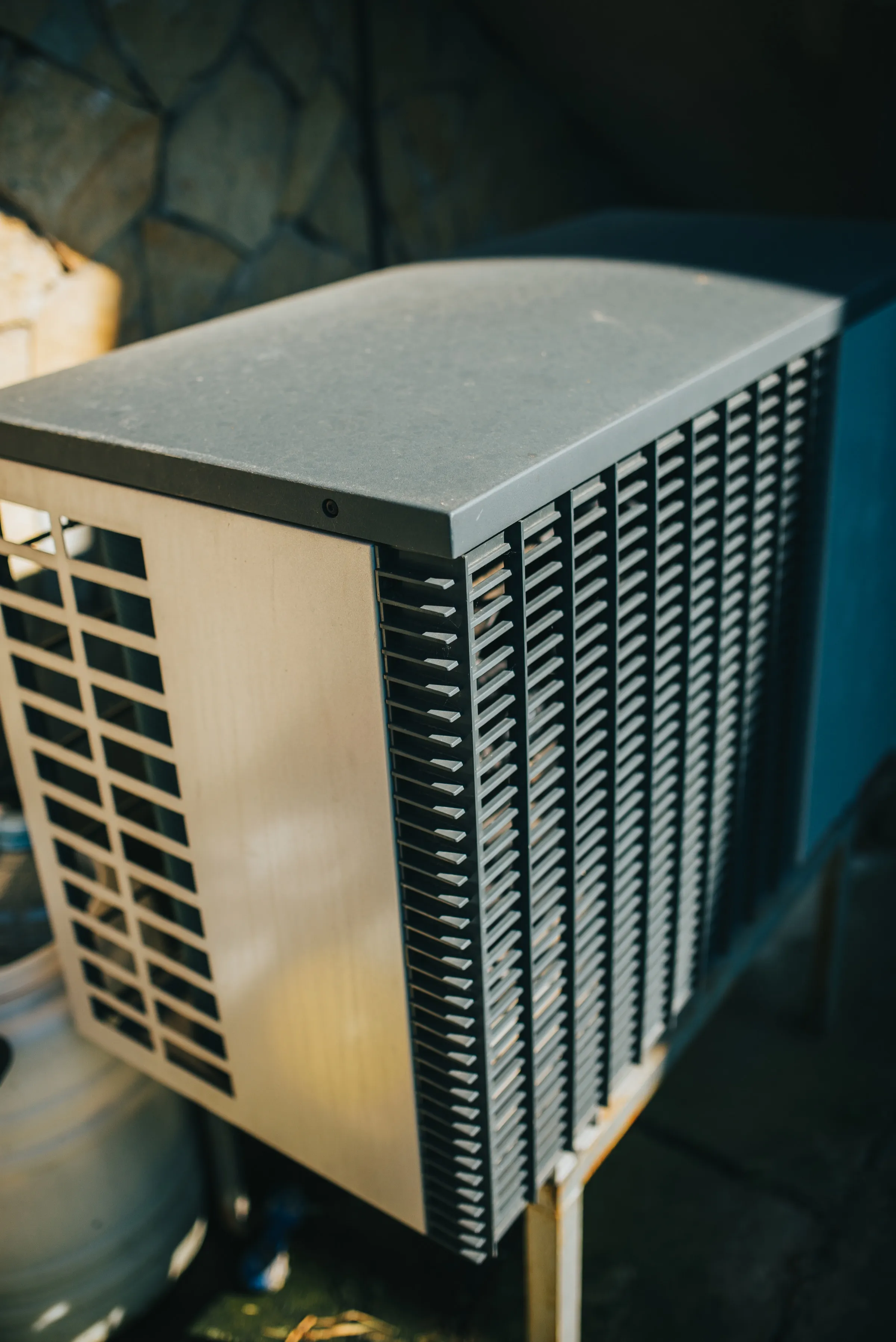
Two things set Cambridge apart for anyone considering a heat pump. The first is the weather: dry, but with more frosty nights than most of England. Heat pumps cope well — they're the norm in Scandinavia — but the system needs sizing for the local design temperature, and the outdoor unit needs siting so defrost meltwater drains away rather than freezing on a path.
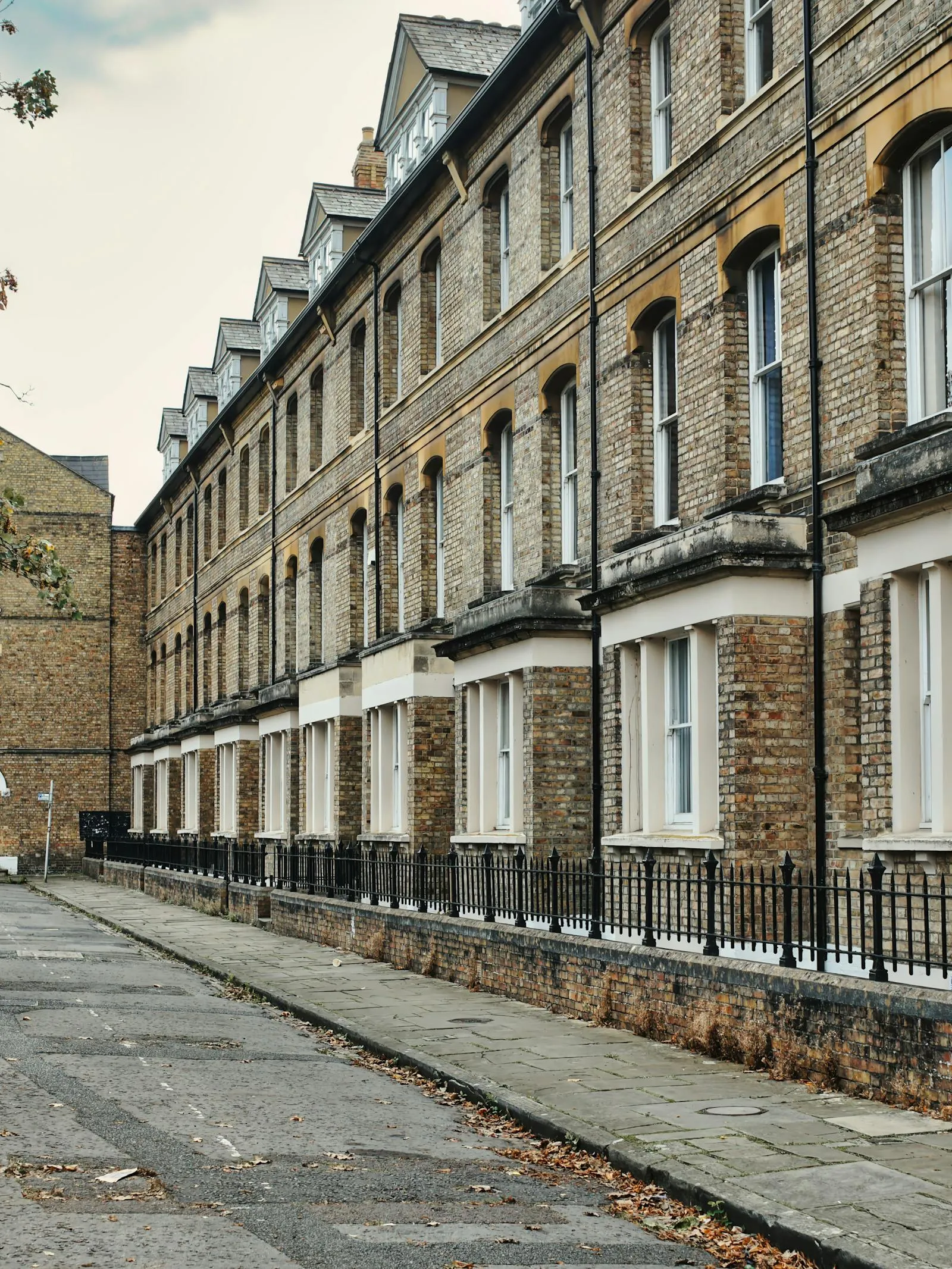
The second is the housing. Much of the city is gault-brick Victorian terraces and villas with solid walls, suspended floors and sash windows, and a lot of it sits in one of the city's 18 conservation areas or is listed. These homes convert well with larger radiators and careful siting, usually in the rear yard or garden.
Add the very hard chalk water, and a good Cambridge design pays attention to the hot water cylinder as well as the heat pump.
How we can help
Read up on the service you need, then send us an enquiry when you're ready.
-
Heat pump installation
From survey and design to commissioning, sized for Cambridge's colder design temperature, with the grant claimed by your installer.
-
Annual servicing
A checklist-based yearly service covering defrost drainage, refrigerant readings, filter and a scale check on the cylinder.
-
Maintenance
A season-by-season care calendar for owners and landlords, and when a maintenance plan is worth paying for.
-
Repairs
Symptoms, likely causes and repair costs, from ice that won't clear to lukewarm hot water.
Cambridge neighbourhoods and villages
Eight area guides cover the city and two South Cambridgeshire villages, each with notes on local housing, conservation areas and what they mean for siting, radiators and planning.
-
Newnham
Victorian and Edwardian homes west of the river, including the artisan terraces of Newnham Croft conservation area.
Newnham heat pump guide → -
Trumpington
A heritage-dense historic core alongside large modern growth sites on the city's southern edge.
Trumpington heat pump guide → -
Chesterton
Old Chesterton's historic core plus Victorian, interwar and post-war streets — many straightforward semis.
Chesterton heat pump guide → -
Romsey
Tight-knit gault-brick terraces south of Mill Road, where small rear yards decide the unit position.
Romsey heat pump guide → -
Riverside
Victorian villas, converted warehouses and modern flats along the Cam, inside the Riverside and Stourbridge Common conservation area.
Riverside heat pump guide → -
De Freville
A planned Victorian suburb of larger terraces and semis north of the river, protected as a conservation area since 2009.
De Freville heat pump guide → -
Grantchester
A riverside village with a 1975 conservation area and some homes off the gas grid.
Grantchester heat pump guide → -
Great Shelford
A South Cambridgeshire commuter village with a historic core, interwar growth and oil-heated homes on its rural edge.
Great Shelford heat pump guide →
Popular Cambridge guides
Practical, locally specific guides for homeowners and landlords.
-
Heat pump prices in Cambridge — four worked examples
A Romsey terrace, a De Freville villa, a Chesterton semi and a Great Shelford bungalow, priced item by item.
-
Heat pumps on a frosty Cambridge morning
What actually happens hour by hour, including defrost cycles.
-
Planning rules in Cambridge and South Cambridgeshire
Permitted development, conservation areas and listed buildings via Greater Cambridge Shared Planning.
-
Fitting a heat pump to a Victorian terrace or villa
Gault brick, suspended floors, sash windows and very hard water.
-
Who can claim the grant?
Homeowners, landlords, flats, listed homes and oil-heated village properties.
-
Payback in three Cambridge scenarios
A family semi, an oil-heated bungalow and a bills-included rental.
What getting a heat pump involves
Six to ten weeks from survey to warm house for most Cambridge homes, longer where planning or listed building consent is needed.
- A room-by-room survey and heat loss calculation
- A written design using the local design temperature
- A planning check with Greater Cambridge Shared Planning, if needed
- Grant application to Ofgem by your installer
- Three to five days of installation
- Commissioning, MCS registration and a controls walk-through
More on the installation page.

Frequently asked questions
Do heat pumps work in Cambridge's cold winters?
Yes. Cambridge is frostier than most English cities, but heat pumps keep working well below freezing and are standard in much colder countries. What matters is sizing the system for the local design temperature and fitting radiators large enough to run at a low flow temperature.
How much does a heat pump cost in Cambridge?
Most homes come in at around £10,000–£13,000 before the grant, more for large Victorian villas. After the £7,500 grant, our worked examples range from about £2,600 to £8,500.
Can I have a heat pump in a conservation area or listed building?
Yes. A unit at the rear is usually permitted development even in a conservation area. Front-facing units in a conservation area need planning permission, and listed buildings need listed building consent. Applications go to Greater Cambridge Shared Planning.
Can landlords get the grant?
Yes. Private landlords qualify for the £7,500 Boiler Upgrade Scheme on the same terms as homeowners.
What happens after I send an enquiry?
It goes to a single local heat pump installer from our network, who will be in touch to talk about a survey. We don't pass it round multiple firms.
Is there free help with insulation or heating?
For low-income households, yes. The Cambridgeshire Energy Retrofit Partnership, led by Cambridge City Council, funds free upgrades through the Warm Homes: Local Grant. Action on Energy Cambridgeshire has the details.
Get a quote — Cambridge heat pump installation
Tell us a little about your home and we'll pass your enquiry to a local installer from our network.